The Outdoor Concert Weather-Layering Formula Nobody Plans For Until It's Too Late
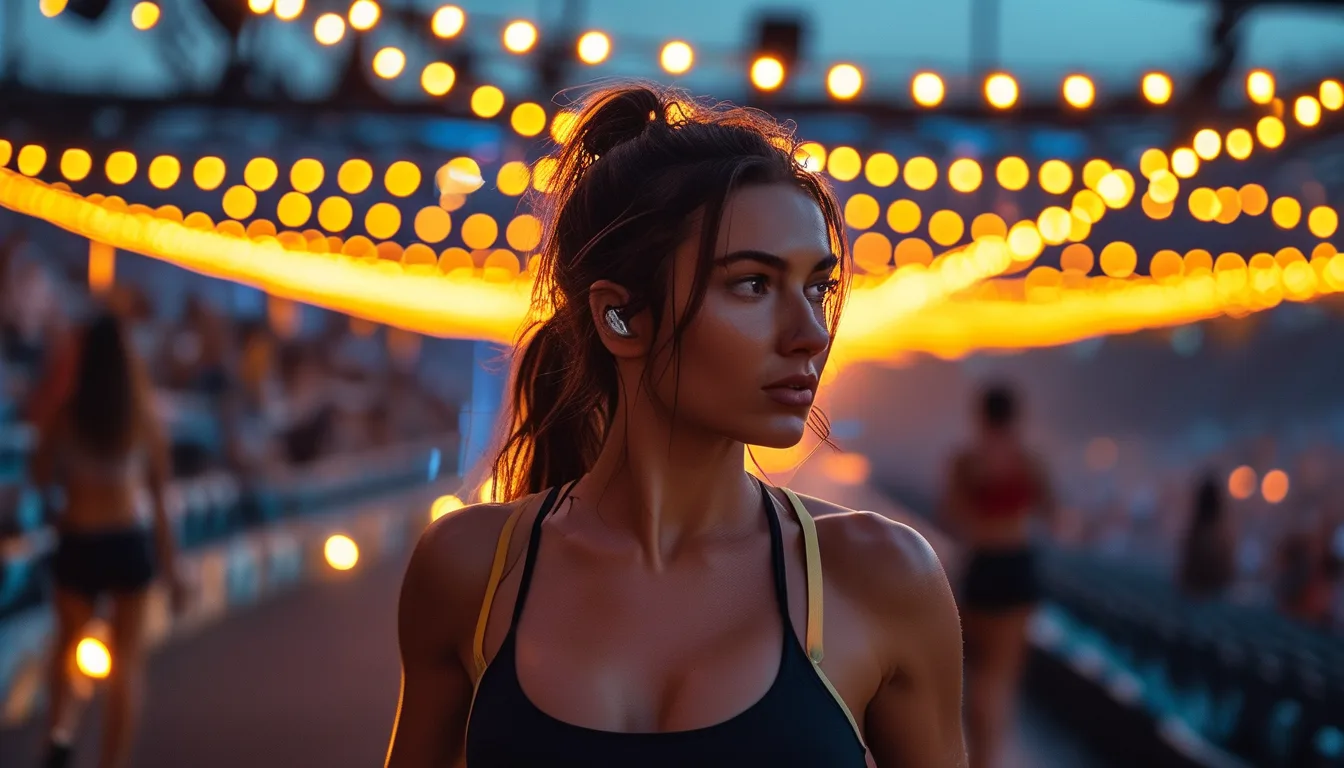
Quick Answer: Outdoor concerts that run from afternoon into night need a layering plan built around one packable mid-layer (a light jacket or flannel tied at the waist) rather than a single fixed outfit, since the temperature swing between a hot afternoon set and a cold night headliner set can be significant enough to genuinely affect comfort and enjoyment.
Most concert outfit guides focus on the look itself, assuming a roughly constant temperature — but a full day-into-night outdoor show often needs an actual layering strategy, not just a single planned outfit.
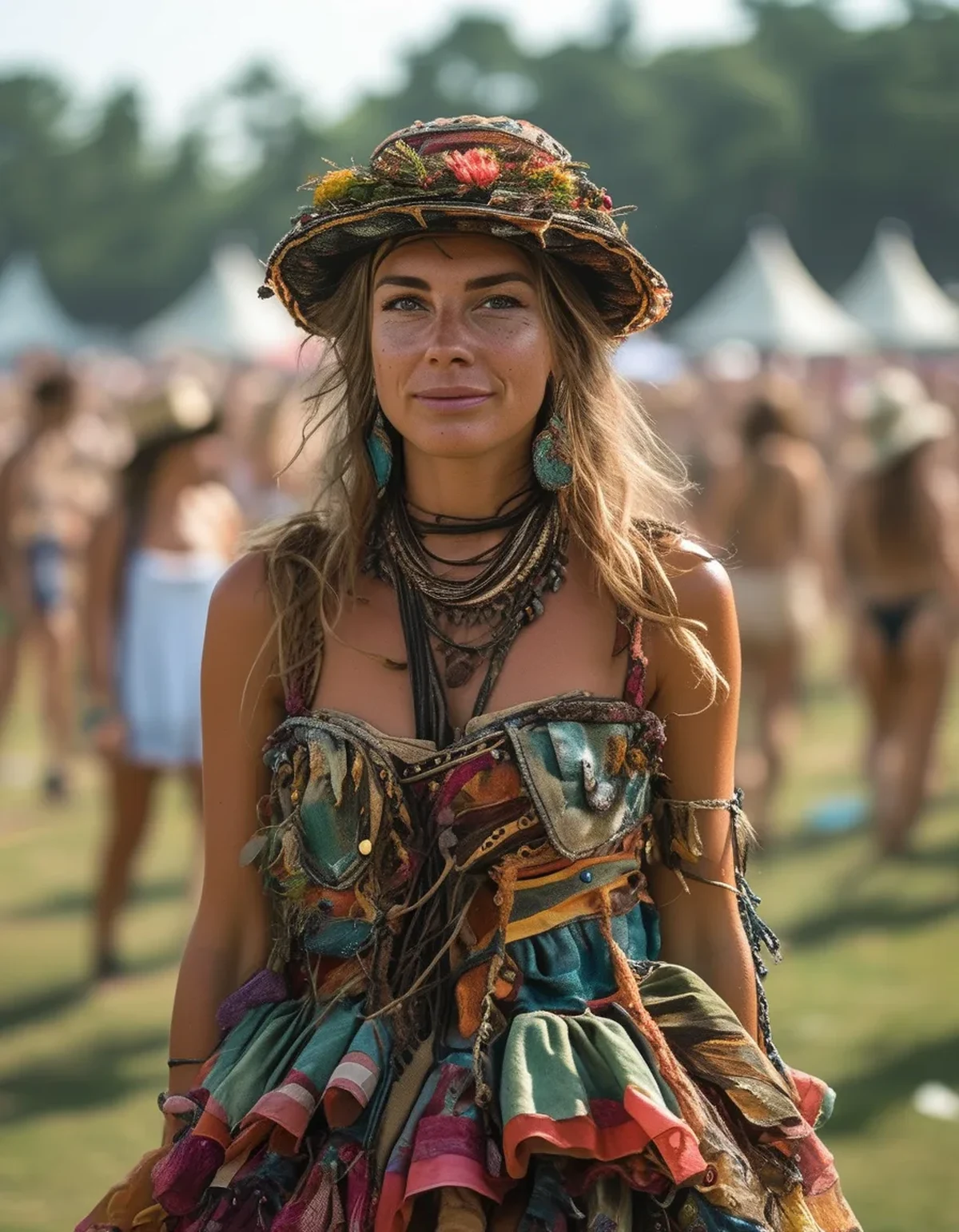
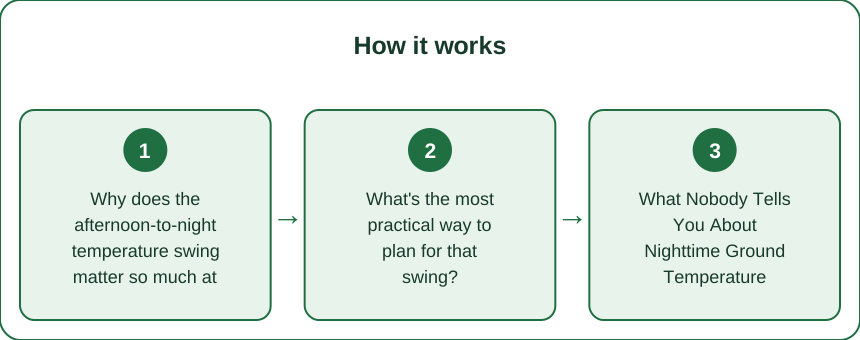
Why does the afternoon-to-night temperature swing matter so much at outdoor concerts?
Outdoor venues without much shade or climate control experience a fuller range of the day’s natural temperature swing than an indoor venue would, and standing for hours (rather than moving around) means you feel temperature changes more acutely than you would during a normal active day.
A temperature drop of 15-20 degrees between a sunny afternoon and a cool night is common in many climates, which is a meaningful enough shift to genuinely affect comfort if the outfit was only planned for the afternoon heat.
What’s the most practical way to plan for that swing?
A packable mid-layer — a light jacket, flannel, or oversized button-up that can tie around the waist during the hot part of the day and go back on as temperatures drop — solves the swing without requiring a full outfit change mid-show, which usually isn’t practical anyway once you’ve claimed a spot in the crowd.
This is more practical than either overdressing for the whole day (uncomfortable during peak afternoon heat) or underdressing and hoping the night doesn’t get cold (a common and avoidable mistake).
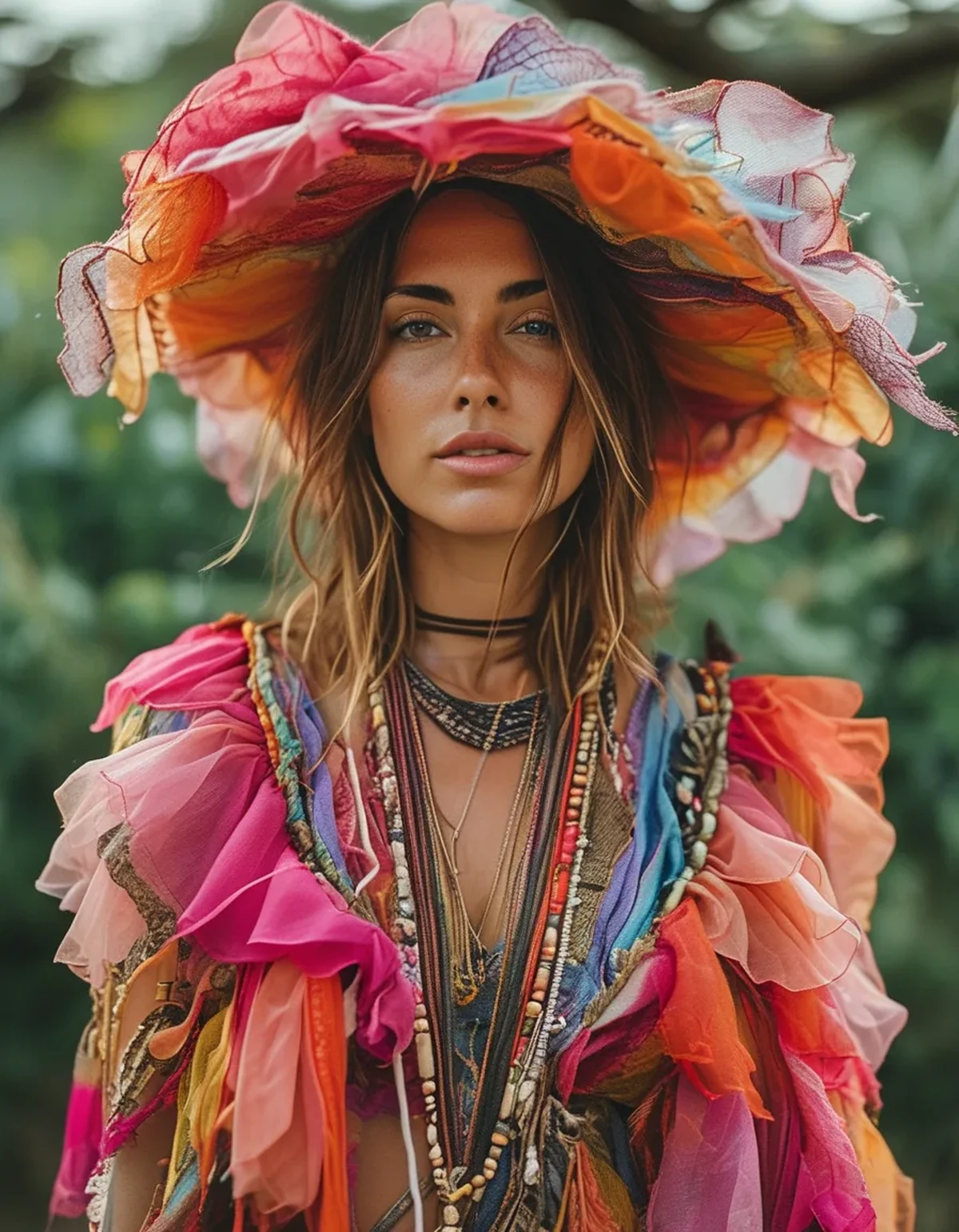
What Nobody Tells You About Nighttime Ground Temperature
Ground and seating-area temperature drops noticeably faster than air temperature once the sun sets, which matters if your concert outfit involves sitting on grass or pavement for stretches — a light, packable sitting blanket or an extra layer specifically for legs is worth considering beyond just an upper-body jacket.
Does footwear need to account for the temperature shift too?
Somewhat — closed-toe shoes that work fine in afternoon heat also handle a cooling evening better than sandals would, making them a more versatile single footwear choice across the whole day-into-night span than switching shoes mid-event, which isn’t practical for most people.
FAQ: Outdoor Concert Weather Layering Questions, Answered
Is it better to bring a full jacket or just a flannel for the temperature swing?
Either works — a flannel is more packable and versatile stylistically, while a proper jacket provides more warmth if the venue’s climate runs particularly cool at night; choose based on your specific venue’s typical evening temperature.
Where do I even put a jacket during the hottest part of the day?
Tying it around your waist or looping it through a bag strap are the two most practical options that don’t require carrying it separately or leaving it somewhere.
Should I check the specific venue’s evening temperature in advance?
Yes — checking historical evening temperatures for the specific venue and date (rather than just the daytime forecast) gives a much more accurate sense of how significant the swing will actually be.
TL;DR:
- Outdoor day-into-night concerts often see a genuine 15-20 degree temperature swing
- A packable mid-layer (flannel or light jacket) solves this better than one fixed outfit
- Ground temperature drops faster than air temperature — plan for seated comfort too
- Closed-toe shoes handle the full day-into-night span more reliably than sandals
Planning for the swing, not just the afternoon heat, is what actually keeps an all-day outdoor concert outfit comfortable through the headliner set.
Keep Reading
This article is for general informational and styling purposes only. Fit, sizing, and product availability may vary.